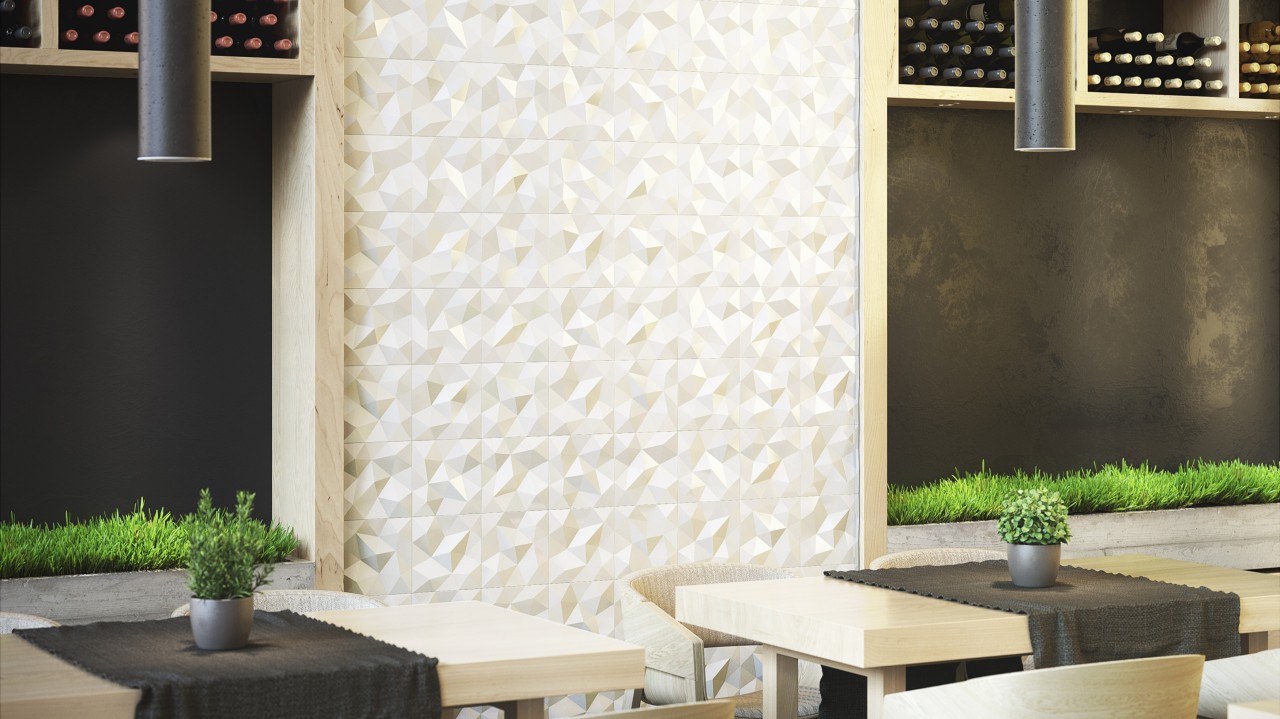
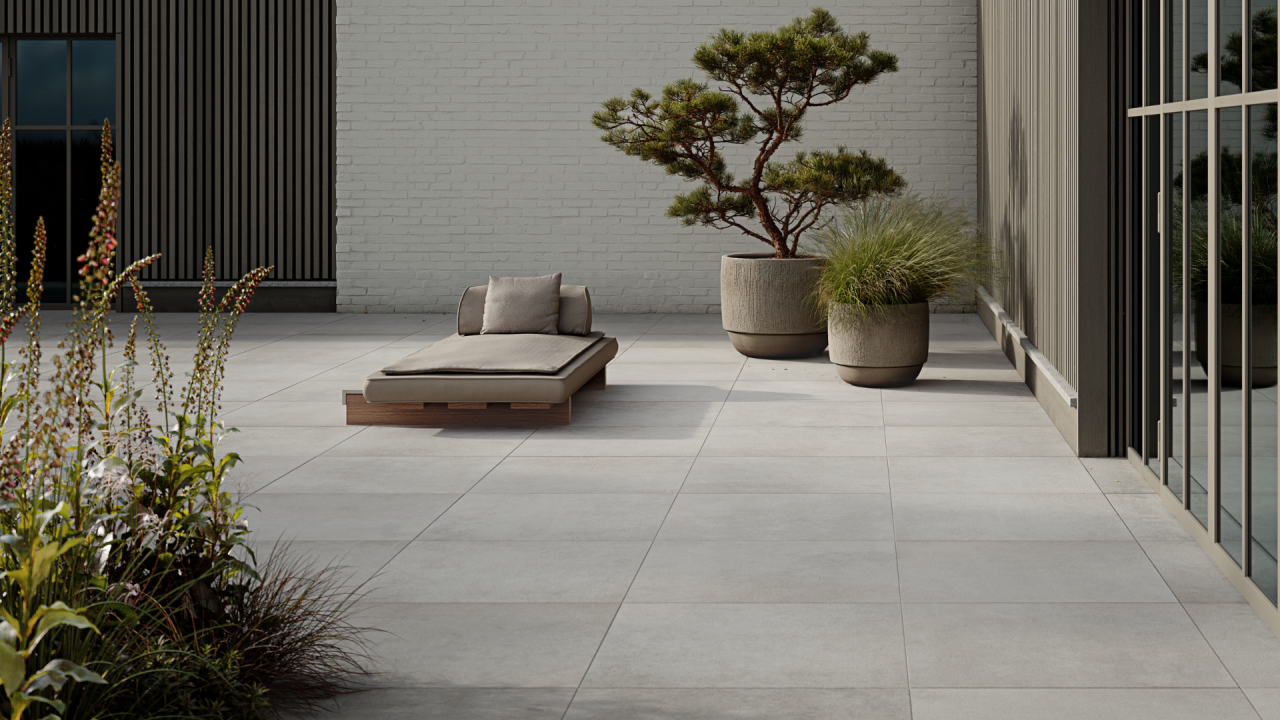
1. Cutouts: The Foundation of Your Visual Toolkit
A clean, white-background cutout might not be the most glamorous image, but it’s essential. Think of it as the baseline of your visual toolkit. These images make it easy for journalists, resellers, and clients to quickly understand what your product looks like. No distractions, no styling. Just form and function.
Whether it’s for a press kit, online shop, or B2B catalog, these images are still the gold standard. They make your product easy to work with, and that makes it easier to sell.
2. Lifestyle Renders: Create Emotional Connection Through Setting
Once you’ve got the technical shots covered, it’s time to set the mood. This is where lifestyle visuals come in. A product shown in a real or rendered interior setting has a completely different emotional impact. It shows scale, context, and tone. More importantly, it helps your customer imagine the product in their own world.
Are you designing for homes, hotels, offices, or showrooms? The setting should speak directly to that audience. A well-styled lifestyle render can elevate perception and create desire and it gives your brand a distinctive voice.
3. Close-Up Details: Highlight Craftsmanship and Materiality
Don’t underestimate the power of a close-up. Detail renders and material shots give people a window into your craftsmanship whether it’s a unique joint, a subtle textile texture, or the finish of the wood. These are the visual moments that tell the story of quality.
They also work incredibly well on social media, where bite-sized content is key. A scroll-stopping zoom-in on a beautiful detail can say more than an entire product sheet.
4. 360° Views: Let Clients Explore Your Product From Every Angle
People love interaction. Offering 360° views or animated turntables lets your audience explore your product on their terms. It creates trust. They can spin, zoom, and get a sense of the piece from all sides, which is especially useful when you’re selling without a physical prototype or in-person preview.
These features are also increasingly expected in online retail spaces, making your product more compatible with larger platforms.
5. Short Animations: Add Motion to Stand Out on Social Platforms
Today’s platforms reward motion. Whether it’s a short loop showing your product from different angles or a minimal animation with some music behind it, a little movement can go a long way.
It doesn’t have to be a cinematic campaign. Even a 10-second video can bring your product to life and increase engagement across Instagram, LinkedIn, or your own website. The best part? These animations are easy to repurpose across platforms and they stand out.
6. Media Kits: Be Press-Ready and Easy to Feature
If you’re hoping to get featured in magazines or picked up by retail partners, then press-ready assets are non-negotiable. A small, well-organized media kit can make the difference between getting coverage and getting overlooked.
That kit should include multiple cutouts, a few lifestyle visuals, a short write-up of the product, and contact information. Journalists and buyers don’t want to dig. Make it easy for them to say yes.
Your Visual Strategy Is Your Launch Strategy
A successful product launch doesn’t stop at a great design, it’s about how that design is communicated. Strong, intentional visuals are the bridge between your ideas and your audience. When you prepare a visual toolkit that includes both functional and emotional content, you give your launch the best possible start.
Whether you’re just beginning your launch plan or finalizing your first renders, we’d love to help. We work closely with furniture designers to create high-impact product visuals that are both stunning and strategic.
Let’s talk about how we can support your next launch.